Christmas and New Year in Norway: Traditions, Food, and Everything in Between
Let me guess – you’re planning a trip to Norway for the holidays, but the thought of shorter days and freezing temperatures has you second-guessing your life choices. Trust me, I’ve been there, but the worry only lasts until you set foot in the country.
Even though it is indeed cold, winter in Norway is pure magic, especially around Christmas and New Year. The secret is something locals call koselig, which is the Norwegian version of deep, winter coziness.
And this is exactly what we’re going to talk about today: what to expect from the winter holidays in Norway.
I have already told you about the Christmas celebrations in Denmark, as well as how people Celebrate Christmas in Sweden and you will see that, just like in all Scandinavian countries, things are very similar in Norway.
How is Christmas celebrated in Norway?
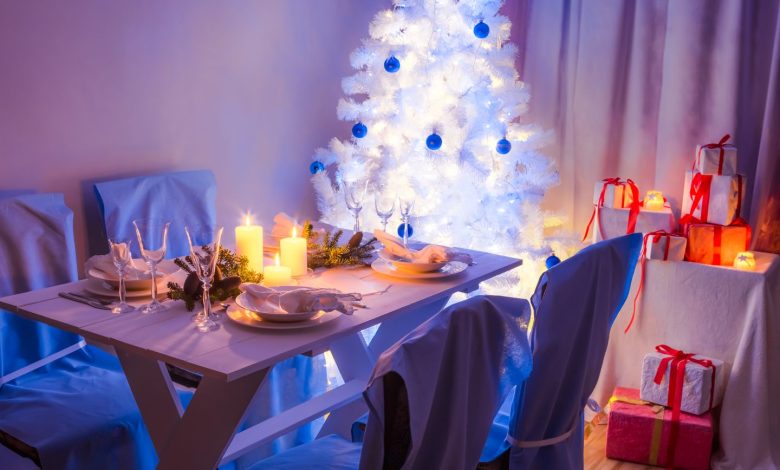
Christmas in Norway, or Jul as the locals call it, is a time of joy, family, and enough delicious food to make you forget how dark it is outside.
Preparations start early, with Advent marking the official countdown. Every Sunday leading up to Christmas, families gather to light candles and exchange small gifts – a cozy tradition that’s hard not to instantly fall in love with.
But the biggest difference you need to know is the timeline. The main event does not happen on December 25th, as in other parts of the world. Julaften (or Christmas Eve on December 24) is when the real magic happens. This is the day when families share the grand holiday feast and open presents.
Traditional Norwegian Christmas Decorations
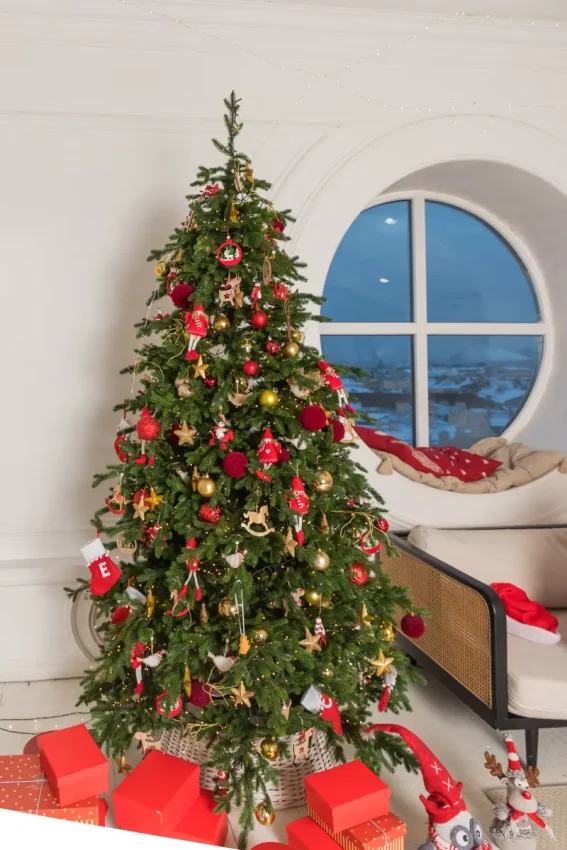
Norwegian Christmas trees are usually natural and feature minimalist decorations. Many families also use traditional Norwegian straw ornaments called julepynt, which symbolize peace and good fortune for the year ahead.
Norwegians don’t settle for basic wreaths on their doors. Instead, they hang ribboned oat bundles. No, these aren’t some minimalist design choices (they have plenty of those too!) – they’re treats for the birds who have few food options during the winter. It’s the season of giving, after all – and every living being is included!
Another unique thing when it comes to Norwegian holiday lore is the Julenisse. This mischievous barn gnome serves as the local version of Santa Claus. Tradition dictates leaving a bowl of warm porridge out in the barn or on the porch on Christmas Eve to keep him happy and prevent him from playing pranks on the household.
And, of course, there’s the Christmas tree, which is the one that the “modern” Santa Claus visits with gifts. But here’s a fun fact: many families don’t put their trees up until Lille Julaften (Little Christmas Eve, December 23). It’s a whole family affair, complete with carols, cookies, and plenty of good mood.
The Food Is Absolutely Amazing!

Now let’s talk about my favorite part – food. Norwegians take their Christmas treats seriously, and if you’re a fan of marzipan (like I am), you’re in luck.
Supermarkets dedicate entire aisles to marzipan creations, with the Marzipan Pig being the undeniable star.
Norwegians devour over 40 million pieces of marzipan figures during the holiday season and I always do my fair share to keep those numbers up, even if I am not in Norway.
But back to the delicious, traditional Christmas food in Norway!
On Christmas Day, the highlight is risgrøt – a creamy rice porridge spiced with cinnamon, vanilla, and raisins. Check it out below:

There’s a tradition attached to this dish, too. An almond is hidden in the porridge, and whoever finds it wins a marzipan pig. As someone who’s yet to win (but has no shortage of consolation marzipan), I can confirm it’s all in good fun.
Other traditional treats include:
- Krumkaker – Cone-shaped cookies that are as delicate as they are delicious.
- Pepperkaker – Spicy gingerbread cookies, often shaped into intricate designs.
- Food Platter – A large plate filled with Norwegian classics: ribbe (pork ribs), lutefisk (lye-cured cod), and pinnekjøtt (dry-cured lamb ribs). Don’t forget to wash it all down with a glass of juleøl (Christmas beer) or a shot of Aquavit, Norway’s favorite potato-based spirit.
- Småkaker – A variety of small, decorative cookies, including sandkaker (almond tarts) and serinakaker (buttery sugar cookies).
- Sylte – Spiced, pressed pork head cheese, often served on bread with mustard or pickles.
- Rakfisk – Fermented trout or char, served with flatbread, sour cream, and onions.
- Multekrem – A dessert of cloudberries mixed with whipped cream and sugar.
- Gløgg – Spiced mulled wine served warm with raisins and almonds.
If you want to impress your friends with your knowledge of the Norwegian language, don’t forget to check out my previous article where I teach you how to say Merry Christmas and A Happy New Year in Norwegian.
Winter Activities During This Time of the Year
Since you’re in Norway, be ready for snow, snow, and more snow! Many people favor going up to the mountains to hit the slopes or enjoying cross-country skiing.
With the longer nights and shorter days, it’s a good idea to be outdoors while you can – otherwise you’d be stuck munching on sweet treats at home the whole time.
Prefer something less active? Head to a Christmas market, like the one in Oslo, for mulled wine and handmade crafts.
Another key tradition is visiting friends and family. Christmas Eve dinners are often big gatherings featuring the traditional dishes mentioned above and plenty of laughter. By the time you’ve visited three different homes, you’ll understand why stretchy pants are a winter essential.
New Year’s Eve Celebrations in Norway

Once Christmas wraps up, the focus shifts to New Year’s Eve, and Norwegians know how to end the year with a bang – literally. Fireworks light up the skies across cities and towns, with Oslo’s Town Hall putting on one of the most spectacular displays.
Before the fireworks begin, there is a tradition that brings the entire country to a standstill. At 7:30 PM on December 31st, almost every household tunes in to watch Kongens nyttårstale (The King’s Speech) on television. It is a unifying moment of reflection before the evening parties kick off.
After the speech, Norwegians gather at a friend’s home or together with family to welcome the new year together.
A big dinner is held and the adults wait late into the night. Just before the clock strikes twelve, people gather in the streets with small fireworks and sparklers – or opt to watch the larger, more organized options.
At this point, the festivities wind down as Norwegians spend the rest of New Year’s Day attending church and resting from all the celebration.
And if you haven’t tried reindeer or moose steak, the New Year’s Day dinner is where you will most likely get a taste of these Norwegian dishes!
Conclusion
In Norway, it’s cold during the winter holidays, but the warmth of Norwegian hospitality more than makes up for it. The Norwegian culture has put its mark nicely on the winter holidays, and I am sure you will absolutely enjoy your time spent here.
So pack your warmest sweater, grab a marzipan pig (or three), and get ready for a holiday season unlike any other. And if you’ve already been to Norway for the holidays, let me know your favorite traditions in the comments below – I’d love to hear your stories!